StuPo
StuPo
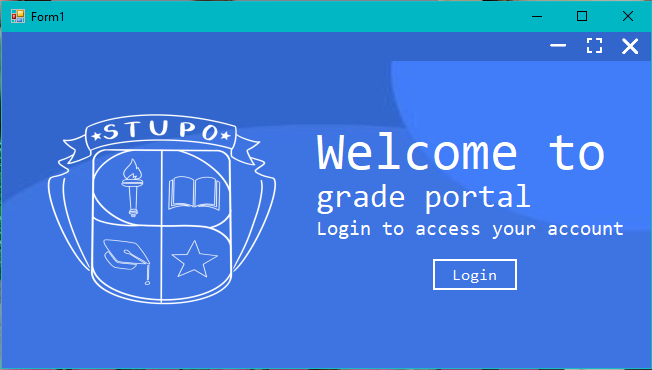
A streamlined, all-in-one academic management tool designed to bridge the gap between administrative record-keeping and real-time student grade tracking.
Category
Web Application
Client
School Project
Start Date
June 07, 2024
Designer
Myself
StuPo
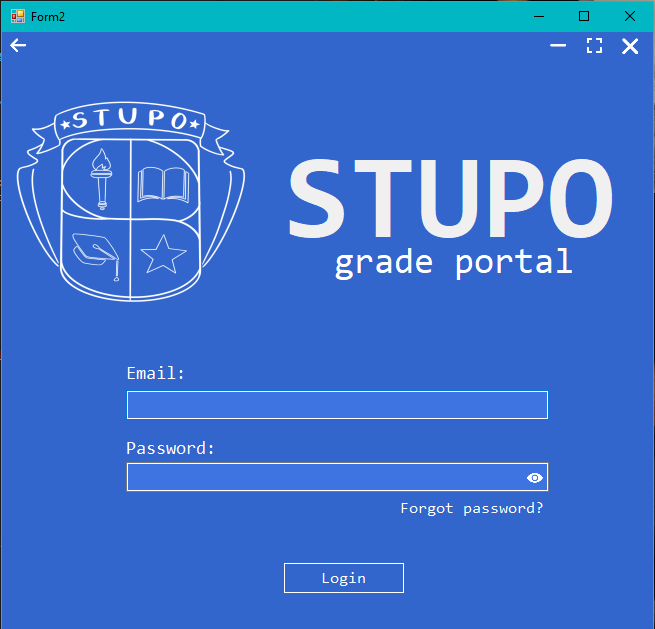
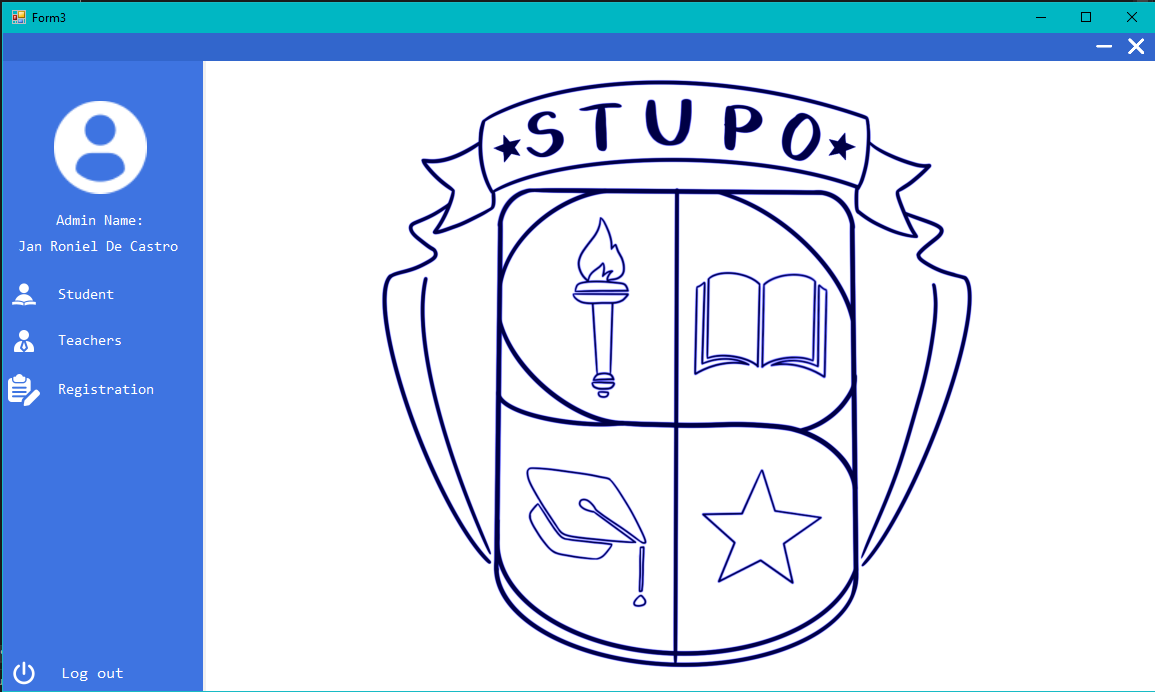
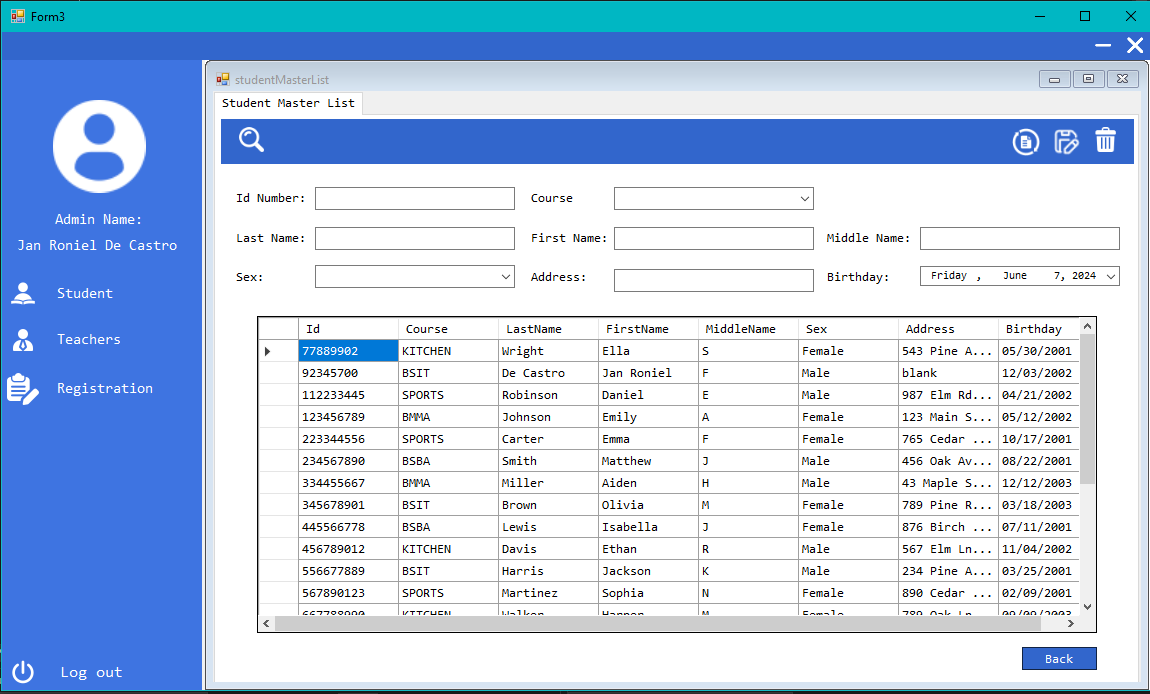
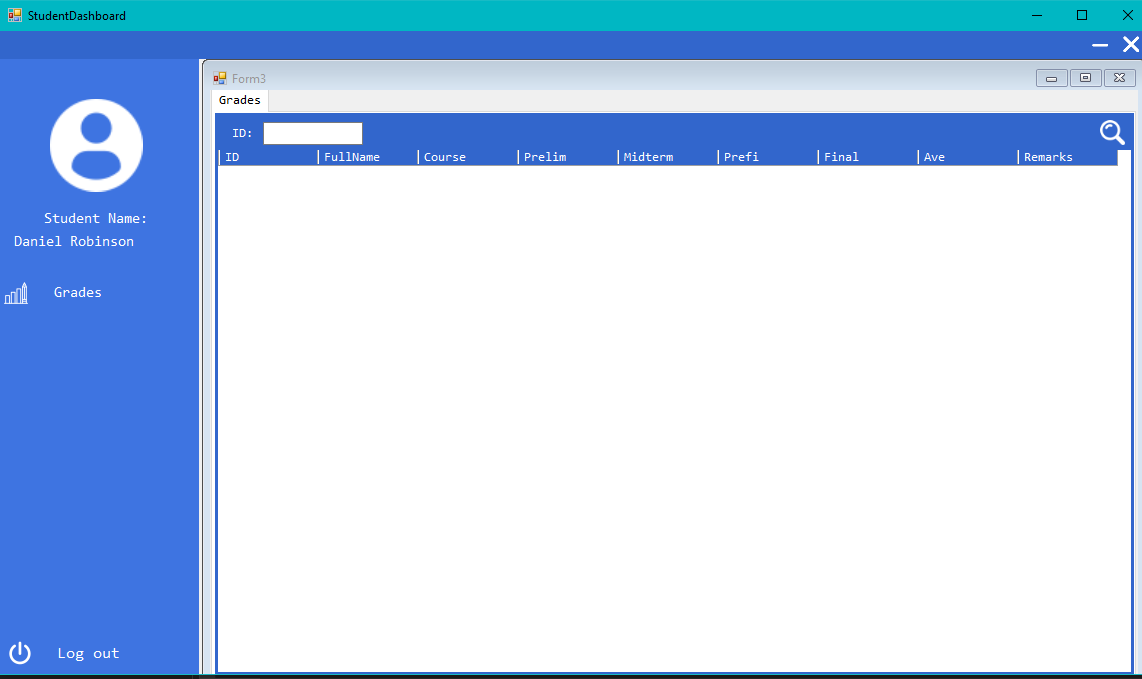
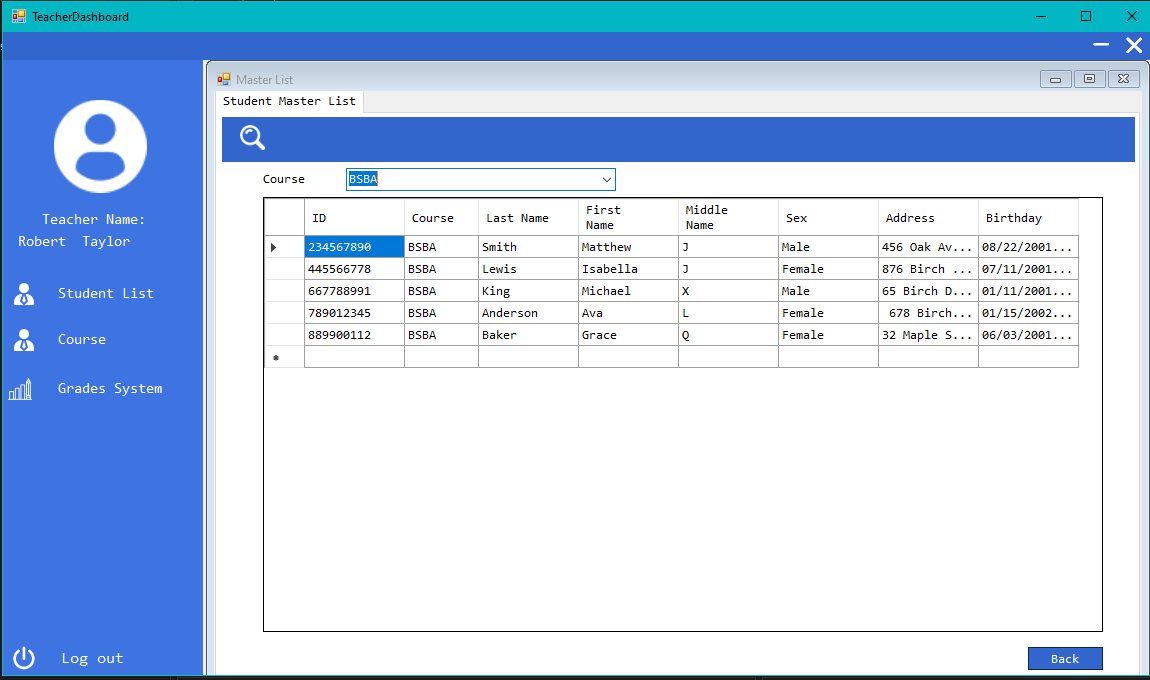
The primary goal is to centralize and automate academic record-keeping into a single, cohesive digital environment. By providing dedicated interfaces for administrators, teachers, and students, the system ensures that grade tracking is transparent and student data is securely managed. Ultimately, it aims to eliminate manual paperwork and provide real-time performance insights to help students stay on track with their studies.
THE STORY
The story behind this portal is one of digital transformation, moving a traditional campus from fragmented, paper-heavy processes to a unified digital ecosystem. It began with the need to solve the "information silo" problem, where student data was trapped in office filing cabinets and grades were only known at the end of a semester. By creating STUPO, the narrative shifted toward empowerment: administrators gained the tools to oversee the entire student body at a glance, teachers were given a structured platform to manage diverse courses like BSIT and BSBA, and students were finally given ownership of their academic journey through real-time grade visibility. It is a journey from manual uncertainty to data-driven clarity, ensuring that every stakeholder is connected through a single, reliable interface.
OUR APPROACH
The approach focuses on User-Centric Modular Design, where the complexity of a school's database is broken down into three intuitive, role-based experiences. Rather than overwhelming every user with the same tools, the system employs a "need-to-know" architecture that keeps the interface clean and the workflow efficient. From a development standpoint, the approach relies on Relational Data Management to ensure that a change made by a teacher in the grade system instantly reflects on the student’s dashboard. By using a consistent visual language—uniform colors, typography, and navigation—the system minimizes the learning curve, allowing faculty and students to focus on education rather than figuring out how to use the software.